Buying a CRM isn't just another software purchase—it's a decision that can shape how your travel business manages inquiries, serves customers, and grows over the next several years.
The challenge is that almost every CRM provider claims to be the "best." Their websites promise automation, AI, analytics, and hundreds of features, making it difficult to understand what actually matters for a travel business.
A travel agency doesn't need the CRM with the longest feature list—it needs one that fits the way travel businesses work. From handling inquiries and quotations to coordinating bookings and customer communication, the right CRM should simplify your team's daily work rather than add another layer of complexity.
Whether you're running a boutique travel agency, a tour operator, a destination management company (DMC), or a corporate travel business, this guide will help you evaluate CRM software with confidence. You'll learn what features truly matter, which mistakes to avoid, and how to choose a CRM that supports your business as it grows.
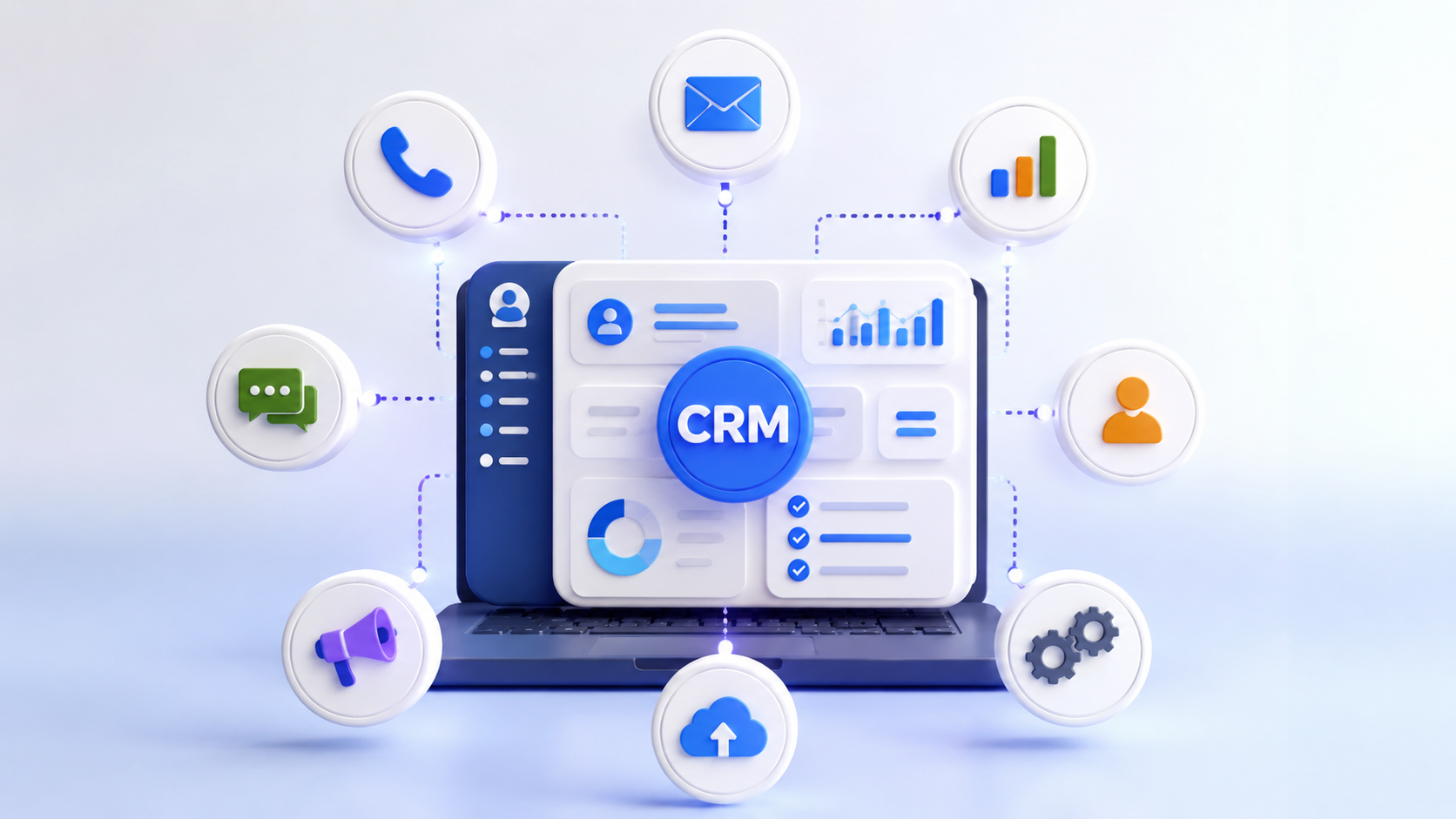
How Do I Choose the Best CRM for My Travel Business?The best CRM for a travel business is one that matches your sales process, supports your team's workflow, integrates with your communication channels, and can scale as your business grows. Instead of choosing a CRM with the most features, focus on ease of use, customization, automation, reporting, and customer support. Why Do Travel Businesses Need a CRM in the First Place?![]()
Before comparing software, ask yourself a simple question:
"What problem am I trying to solve?"
Many travel businesses start looking for a CRM because their operations become difficult to manage as they grow.
You might recognize some of these situations:
These aren't software problems—they're workflow problems. A CRM works best when it solves the operational challenges your team faces every day.
Tip: Before evaluating any CRM, write down your top three business challenges. This helps you choose software based on your actual needs rather than marketing claims.
What Should I Look for When Comparing Travel CRM Software?
Many businesses compare CRMs by counting features.
A better approach is to compare capabilities.
Ask yourself whether the CRM helps your team work more efficiently, make better decisions, and deliver a smoother customer experience.
Here's a practical checklist
Notice that "having more features" doesn't automatically make one CRM better than another. The right CRM is the one your team will actually use every day. Should I Choose a Generic CRM or a Travel CRM?
This is one of the most common questions travel business owners ask.
The answer depends on how specialized your operations are.
A generic CRM works well for businesses with standard sales processes.
Travel businesses, however, often deal with:
These workflows require greater flexibility than a standard sales pipeline.
Generic CRM vs. Travel CRM Generic CRM
Travel CRM
Can a Small Travel Agency Benefit from CRM Software?
Absolutely.
One of the biggest misconceptions is that CRM software is only useful for large travel companies.
In reality, smaller agencies often benefit the most because every inquiry matters.
When you're receiving 20–30 inquiries a week, it might feel manageable. But as referrals grow, marketing campaigns perform better, or seasonal demand increases, manual tracking quickly becomes inefficient.
A CRM helps small teams stay organized without adding extra administrative work.
Instead of hiring more people just to manage information, your existing team can focus on building customer relationships and closing more bookings.
Think of a CRM as an investment in your business processes—not just another software subscription.
What Mistakes Should I Avoid When Choosing a CRM for My Travel Business?![]()
Many travel businesses purchase a CRM based on attractive features or competitive pricing, only to discover later that it doesn't fit their day-to-day operations. The result is low adoption, frustrated teams, and a costly migration to another platform.
Here are some of the most common mistakes—and how you can avoid them.
1. Choosing a CRM Based Only on Price
A low-cost CRM may seem like the best deal initially, but if it lacks the features your team needs or requires multiple paid add-ons, the total cost can quickly exceed your budget.
Instead of asking "Which CRM is the cheapest?", ask:
A CRM should deliver value, not just a lower monthly subscription.
2. Ignoring Your Team's Daily Workflow
Your sales team uses the CRM every day—not just the business owner.
If the software is difficult to navigate or doesn't match how your team works, adoption will suffer.
Before making a decision, involve your sales and operations teams in the evaluation process. Their feedback can help identify usability issues that might otherwise go unnoticed.
Ask yourself:
If the answer is no, implementation could become a challenge.
3. Buying Features You'll Never Use
Some CRM platforms advertise hundreds of features.
But do you really need all of them?
For most travel businesses, a CRM should help simplify work—not introduce unnecessary complexity.
Focus on the capabilities that directly improve your operations, such as:
A simple CRM that's used consistently is often more valuable than a feature-rich system that employees avoid.
4. Not Thinking About Future Growth
Your CRM should support your business not only today but also two or three years from now.
Think about questions like:
Choosing a scalable CRM now can save significant time and effort later. How Much Should a Travel CRM Cost?
One of the most common questions travel business owners ask is:
"How much should I spend on CRM software?"
The answer depends on your business size, goals, and the features you require.
Instead of choosing software based solely on price, consider the return on investment.
A CRM that helps your team respond faster, improve conversion rates, and reduce manual work can quickly pay for itself.
What Influences CRM Pricing?
When comparing CRM solutions, always evaluate the total value rather than just the monthly subscription cost.
What Questions Should I Ask Before Booking a CRM Demo?
A demo is your opportunity to understand how the software fits your business—not just to watch a product presentation.
Use this checklist during every CRM demonstration.
CRM Evaluation Checklist
Why Growing Travel Businesses Choose FAB CRM![]()
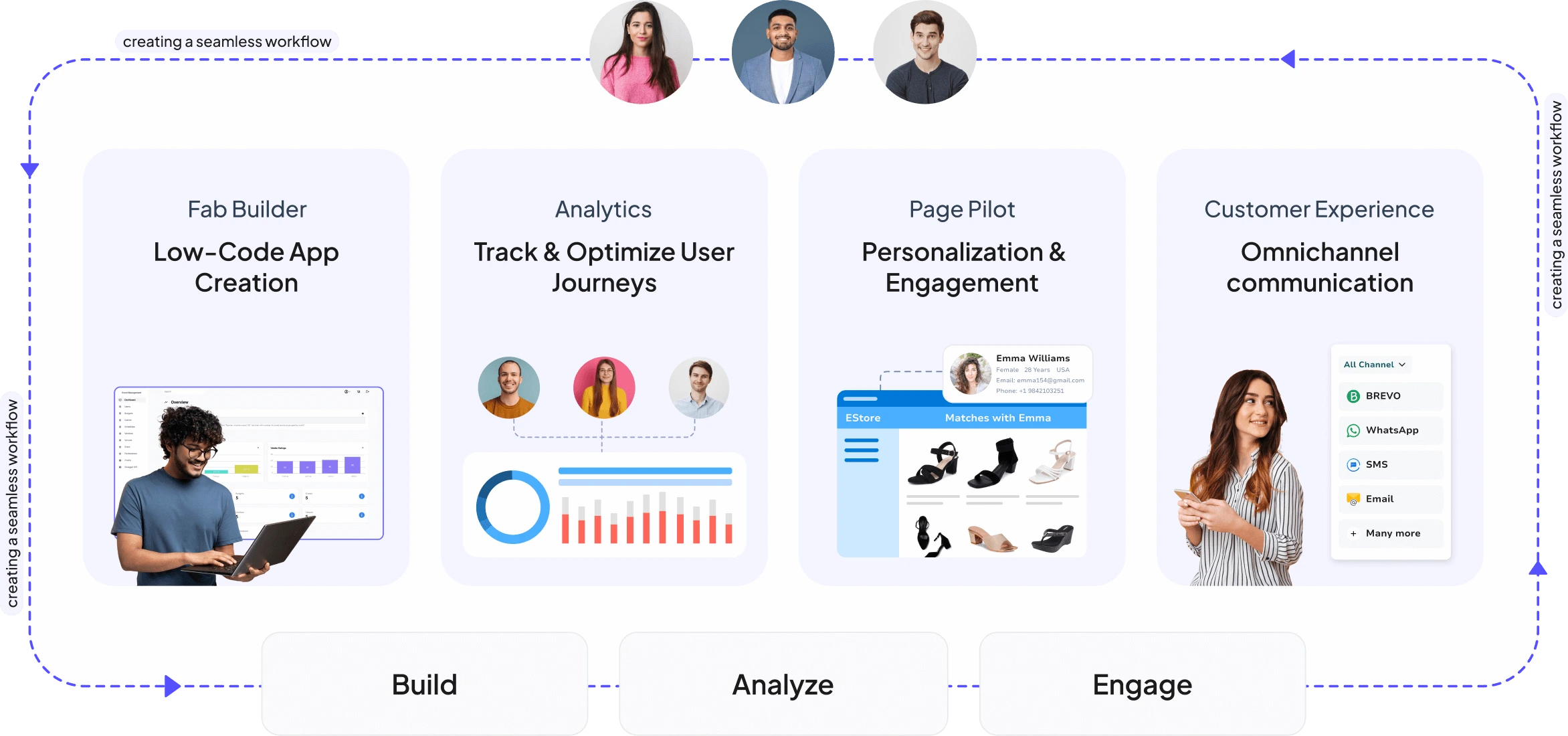
At FAB CRM, we understand that travel businesses need more than a generic customer database. They need a platform that supports how travel teams work every day—from handling inquiries and coordinating internal teams to managing customer relationships and measuring business performance.
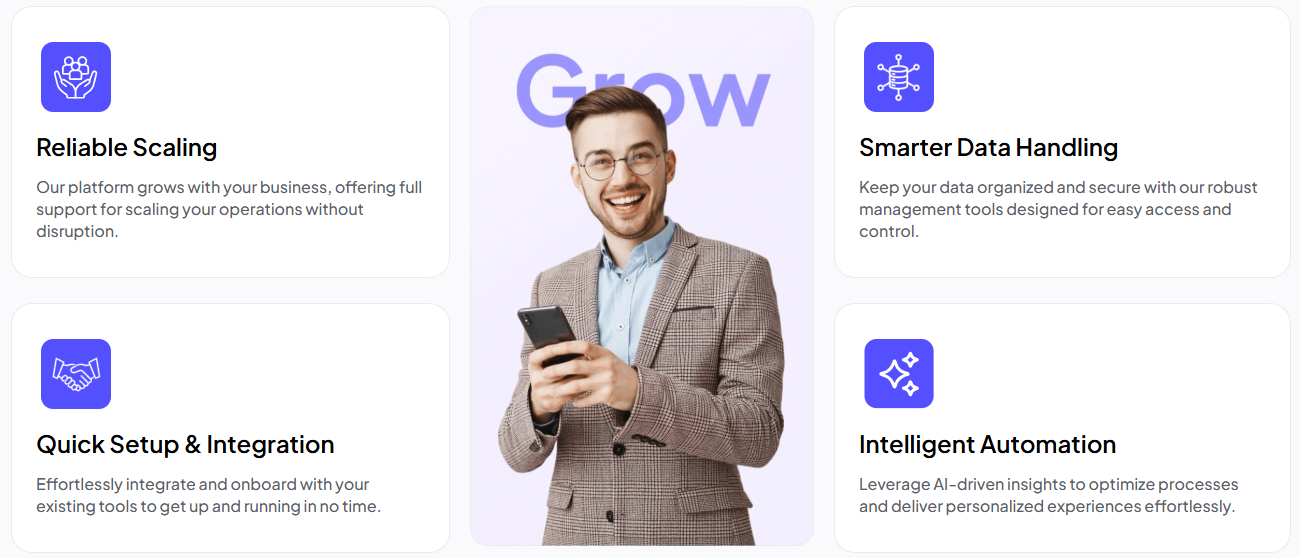
FAB CRM is designed to be intuitive, flexible, and scalable, making it suitable for travel agencies, tour operators, destination management companies, and other travel businesses looking to simplify operations without adding unnecessary complexity.
Whether you're replacing spreadsheets or switching from another CRM, our team works with you to understand your workflow, recommend the right setup, and ensure a smooth onboarding experience.
Ready to Find the Right CRM for Your Travel Business?
Choosing a CRM is a long-term investment. Taking the time to evaluate your options today can save your team countless hours and help you build a more efficient, customer-focused travel business.
Book a free demo with FAB CRM to see how it fits your workflow. During the session, our product specialists will learn about your business, walk you through relevant features, answer your questions, and show you how FAB CRM can support your growth—without the pressure of a one-size-fits-all sales pitch.
|
Ishaan Puniani
Jul 10, 2026