Every travel agency wants more inquiries.
More website forms.
More WhatsApp messages.
More Instagram DMs.
More phone calls.
But here's something many agency owners realize only after they start growing:
More inquiries don't automatically mean more bookings.
In fact, as inquiry volume increases, managing those leads becomes one of the biggest operational challenges.
Imagine receiving over 1,000 travel inquiries every month.
Some travelers want honeymoon packages.
Others are planning corporate trips.
Some are comparing prices for Thailand.
Others need visa assistance before choosing a destination.
Every inquiry has different expectations, urgency, and booking potential.
Without a structured lead management process, your team spends more time searching for information than helping travelers.
That's why successful travel agencies don't just generate leads—they build systems to organize, prioritize, and convert them.
In this guide, you'll learn the travel lead management strategies high-performing agencies use to handle large inquiry volumes while delivering a better customer experience.
What is Travel Lead Management?Travel lead management is the process of capturing, organizing, qualifying, assigning, nurturing, and converting travel inquiries into confirmed bookings. It ensures every potential customer follows a structured journey instead of being lost due to delayed responses or inefficient processes.
Why Do Some Travel Agencies Convert More Leads Than Others?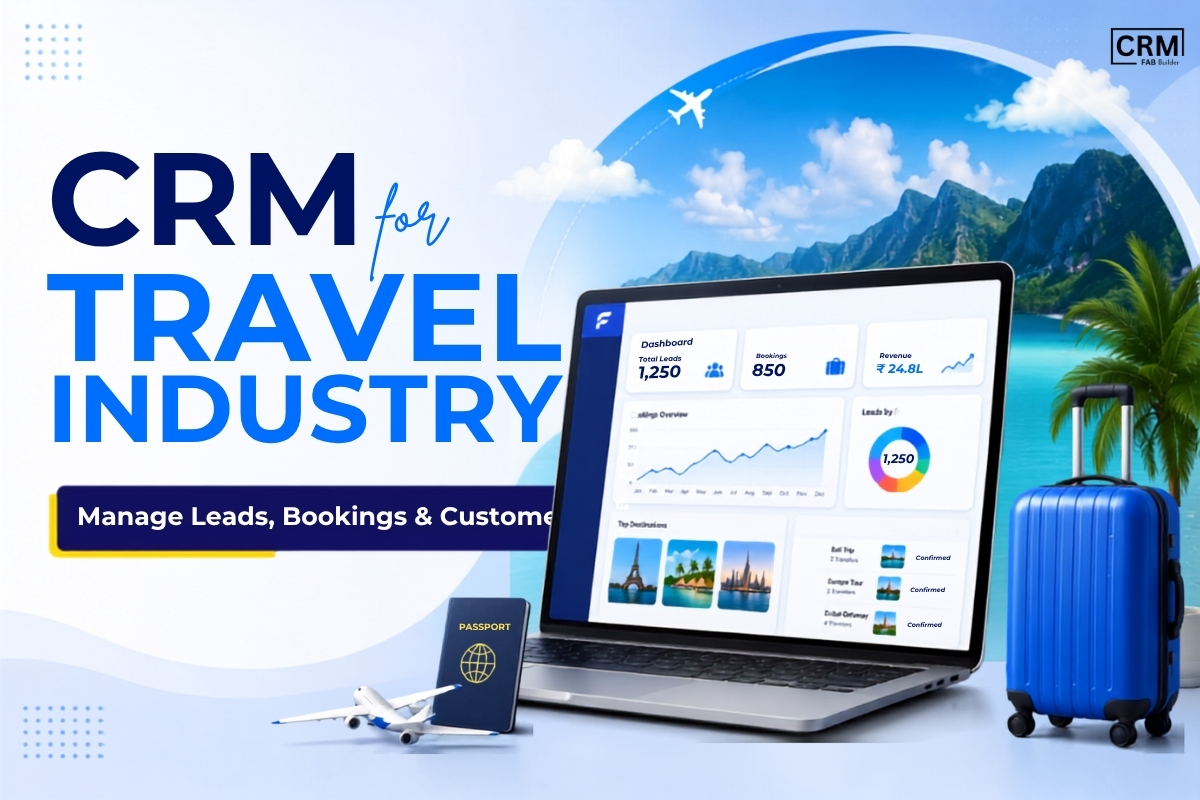
This is one of the most common questions agency owners ask.
Interestingly, the difference often isn't the destination, pricing, or marketing budget.
It's how quickly and consistently they manage incoming inquiries.
Two travel agencies may receive the same number of leads.
One converts 18%.
The other converts 42%.
The difference lies in their process.
Successful agencies treat every inquiry like a business opportunity—not just another message waiting in WhatsApp.
The 6 Stages of Effective Travel Lead Management
Instead of reacting to inquiries as they arrive, high-performing travel agencies follow a structured workflow.
Lead Capture
↓
Lead Qualification
↓
Lead Assignment
↓
Quotation & Consultation
↓
Lead Nurturing
↓
Booking & Relationship Building
Stage 1: How Do Successful Agencies Capture Leads from Every Channel?
Travel inquiries can come from anywhere:
One common mistake is treating each channel separately.
Growing agencies instead create a centralized process where every inquiry enters the same workflow, regardless of its source.
This reduces duplication, improves visibility, and helps managers understand where their best leads originate.
What's the best way to manage travel inquiries from multiple platforms?
The most effective approach is to centralize inquiries into a single workflow, making it easier to track conversations, assign responsibilities, and monitor progress without switching between multiple tools.
Stage 2: How Do Successful Travel Agencies Qualify Travel Leads?
Not every travel inquiry is ready to book immediately. Some travelers are comparing destinations, while others are looking to finalize their trip within a few days. Successful travel agencies qualify leads first, so their sales team spends more time on high-potential travelers and less time on unqualified inquiries.
Key Questions to Qualify a Travel Lead
💡 Pro Tip: Create lead categories such as Hot, Warm, and Cold to prioritize follow-ups and improve your team's efficiency.
Stage 3: How Should Travel Agencies Assign Leads?
As your inquiry volume grows, assigning every lead manually becomes inefficient. Instead of distributing leads randomly, successful travel agencies route inquiries based on expertise, destination, or service type.
Common Lead Assignment Methods
Stage 4: How Fast Should You Respond to Travel Inquiries?
Travelers usually contact multiple agencies before making a decision. A quick response doesn't always mean sending a quotation immediately—it means acknowledging the inquiry and setting clear expectations.
Recommended Response Time
A simple acknowledgment message followed by a personalized consultation can significantly improve customer confidence.
Stage 5: How Do You Follow Up Without Annoying Customers?
Many travel agencies either stop following up after sending a quotation or contact customers too frequently. Both approaches can reduce conversions.
A better strategy is to follow up based on the customer's buying stage.
Customer Follow-Up Table
Stage 6: How Do Successful Agencies Turn First-Time Travelers into Repeat Customers?
Winning one booking is valuable, but building long-term relationships is even more rewarding. Repeat customers often require less effort to convert because they already trust your agency.
After every completed trip, successful agencies:
Small, thoughtful interactions can lead to repeat bookings and valuable referrals.
How FAB CRM Simplifies Travel Lead Management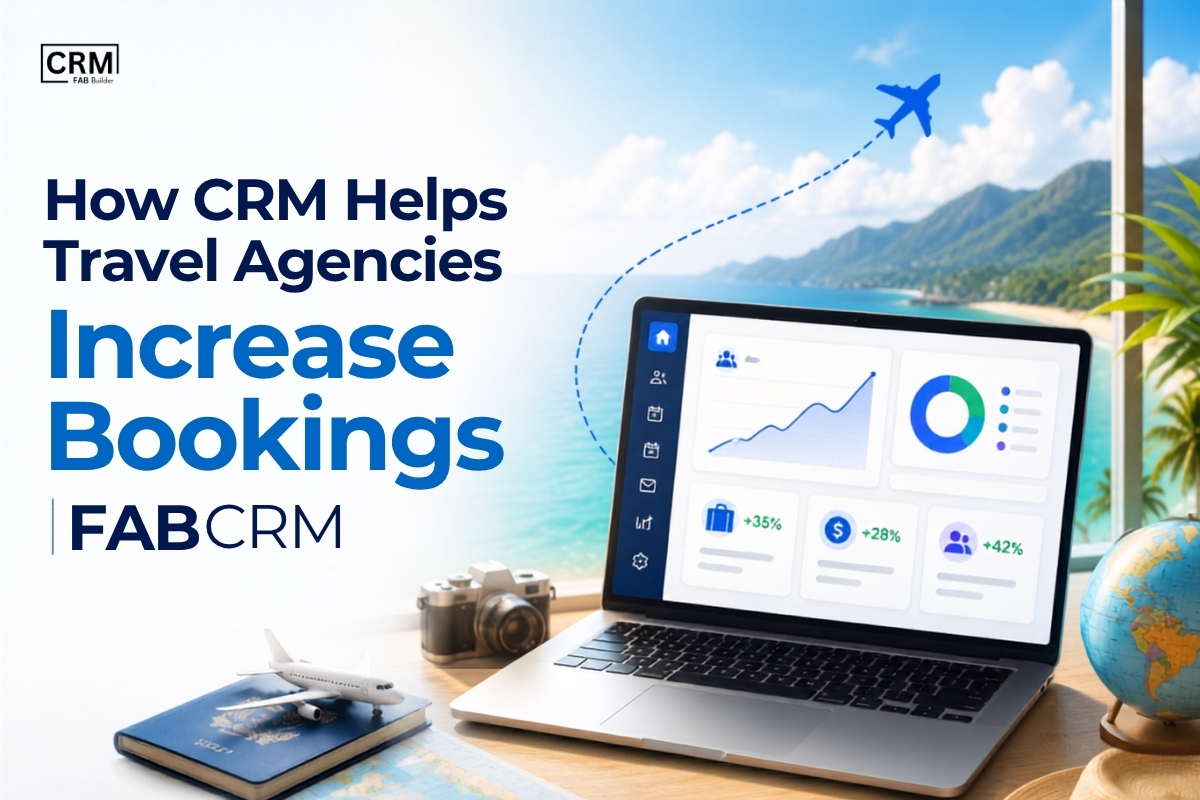
Managing hundreds of travel inquiries doesn't have to be complicated. FAB CRM helps travel businesses organize every stage of the lead journey—from inquiry capture and qualification to follow-ups, team collaboration, and booking tracking.
Instead of relying on disconnected tools or manual processes, your team works from a single platform that keeps customer information organized and helps everyone stay aligned.
Whether you're handling 50 inquiries a month or more than 1,000, FAB CRM supports a structured workflow that helps your team respond faster, stay organized, and deliver a better customer experience.
Travel lead management is the process of capturing, qualifying, assigning, tracking, and converting travel inquiries into confirmed bookings. It helps travel agencies organize leads from multiple channels, improve follow-ups, and ensure no potential customer is missed. A structured lead management process helps travel agencies respond faster, prioritize high-intent travelers, improve team collaboration, and increase booking conversions. It also reduces the chances of losing inquiries because of delayed responses or missed follow-ups. One of the most common mistakes is treating every inquiry the same. Successful travel agencies qualify leads based on travel dates, budget, destination, and booking intent so they can focus on travelers who are most likely to convert. High-performing travel agencies follow a structured process that includes lead capture, qualification, assignment, follow-ups, booking tracking, and performance monitoring. Instead of relying on spreadsheets, they use standardized workflows so every inquiry receives timely attention. Travel agencies commonly receive leads from websites, Google Business Profile, WhatsApp, Facebook, Instagram, referrals, paid advertising, email campaigns, and travel events. Tracking which source generates the highest booking conversions helps optimize marketing efforts. FAB CRM helps travel businesses capture inquiries from multiple channels, organize customer information, qualify and assign leads, monitor the sales pipeline, automate routine tasks, and track performance from one centralized platform. This enables teams to manage more inquiries efficiently while delivering a better customer experience. |