
In today's fast-paced software development landscape, efficiency and scalability are key.
These tools automate repetitive development tasks such as creating project structures, generating APIs, producing boilerplate code, and accelerating deployment workflows. Whether you are developing web applications, microservices, APIs, or enterprise platforms, the right code generation tools can improve productivity, maintain code quality, and shorten time to market. In this guide, we compare the best code generation tools based on features, scalability, automation capabilities, and real-world development use cases. This blog explores the best 10+ code-generation tools that can enhance your development workflow and boost productivity. What are Code Generation Tools?
Compare the Best Code Generation Tools
How Code Generation Tools WorkMost code generation tools follow four core steps:
Types of Code Generation ToolsCode generation tools are available in different categories depending on how they automate software development workflows. Choosing the right type depends on project complexity, development speed requirements, and customization needs. 1. AI Code Generation ToolsThese tools use artificial intelligence to generate code from prompts, automate repetitive tasks, and accelerate development workflows. Examples:
2. Template-Based Code Generation ToolsThese tools generate code using predefined templates, project structures, and reusable components to maintain consistency across applications. Examples:
3. API Code Generation ToolsAPI-focused code generation tools automatically create SDKs, endpoints, documentation, and integration layers from API specifications. Examples:
4. Low-Code and No-Code Code Generation ToolsThese platforms simplify application development by generating production-ready code through visual builders and workflow automation. Examples:
5. Full-Stack Code Generation ToolsThese tools generate frontend, backend, database, authentication, and deployment configurations together to accelerate end-to-end application development. Examples:
Benefits of Code Generation ToolsCode generation tools help developers and organizations reduce manual effort while improving development speed, consistency, and scalability. Faster Development CyclesCode generation tools automate repetitive coding tasks and reduce development time for applications and APIs. Improved Developer ProductivityDevelopers spend less time writing boilerplate code and more time focusing on business logic and innovation. Consistent Code QualityGenerated code follows standardized structures, improving maintainability and reducing inconsistencies across projects. Reduced Development CostsAutomation lowers engineering effort and helps teams deliver products faster with fewer resources. Better ScalabilityModern code generation tools support reusable architectures that make applications easier to maintain and expand. Faster Deployment and DeliveryMany code generation tools integrate with deployment pipelines and DevOps workflows to accelerate releases. Simplified Maintenance
Full-Stack Code Generation PlatformsThese platforms generate complete application structures including frontend, backend, APIs, workflows, and deployment.
Best Code Generation ToolsThese tools generate specific parts of an application such as components, APIs, scaffolding, or templates.
1. JHipster
Overview JHipster is a platform for building and distributing Spring Boot + Angular/React/Vue web apps as well as Spring microservices. The greatest features of the Java and JavaScript ecosystems are combined. Key Features:
Use Cases:
2. Yeoman
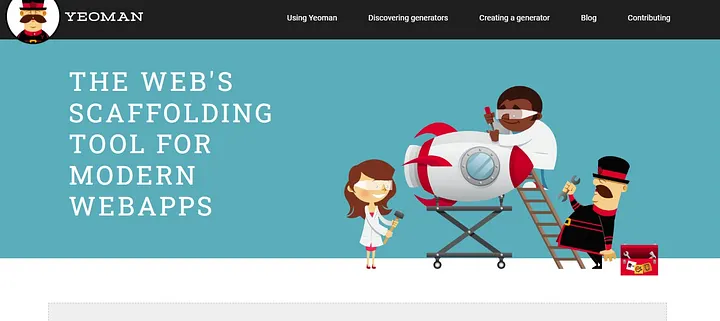
Overview Yeoman is a feature-rich, free, and open-source scaffolding tool for contemporary websites. It offers boilerplate code for several frameworks and libraries as part of its generator ecosystem, which might assist you in getting new projects off the ground. Key Features:
Use Cases:
3. CodeSmith Tools
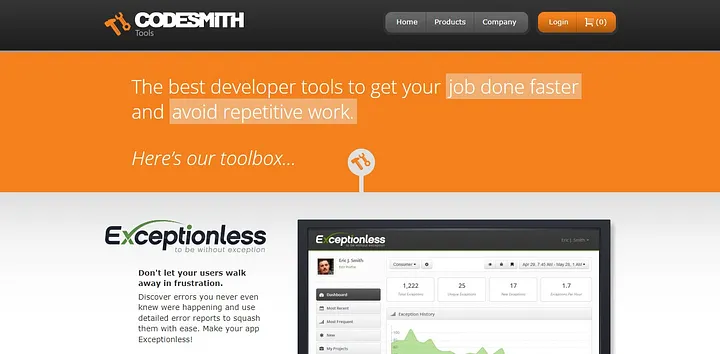
Overview With CodeSmith Generator, you can automatically generate code for any .NET application using a template-based code generator. Key Features:
Use Cases:
4. FAB Builder
FAB Builder is a powerful code generation/low-code platform designed to streamline web and app development. It allows developers to define code templates and generate code based on predefined patterns. FAB Builder supports various programming languages and frameworks, making it a versatile platform for any development team. Key Features:
Use Cases:
5. Swagger Codegen
Overview Using an OpenAPI Specification, developers may use Swagger Codegen to automatically produce client libraries, server stubs, API documentation, and settings. This tool helps in creating APIs quickly and ensures consistency. Key Features:
Use Cases:
6. Rails Scaffold
Overview With the Ruby on Rails framework, files and folders may be created automatically with the help of Rails Generators. By adhering to Rails principles, these generators may provide views, controllers, models, migrations, and more. Key Features:
Use Cases:
7. Hibernate Tools
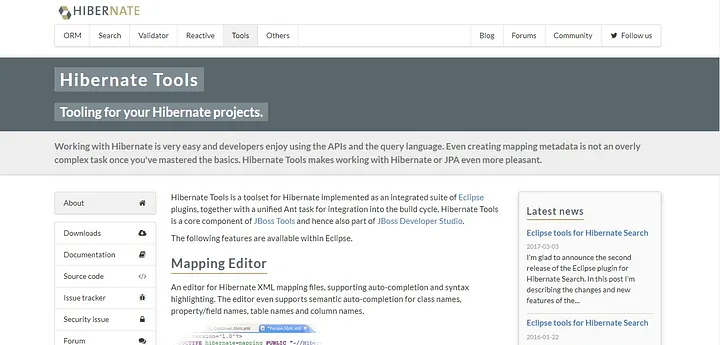
Overview Hibernate Tools is a suite of tools for Hibernate and JPA development. It includes features for code generation, reverse engineering, and database schema synchronization. Key Features:
Use Cases:
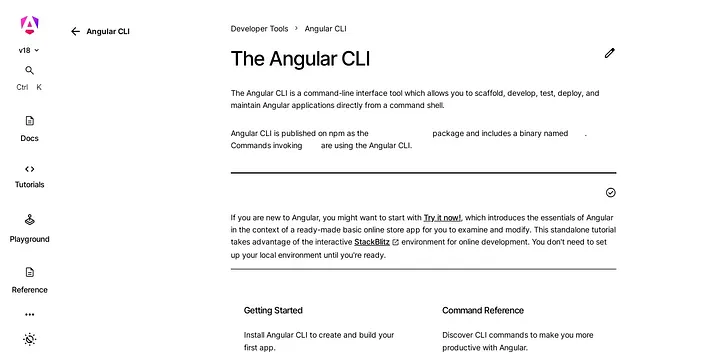
8. Angular CLI
Overview The official command-line interface for Angular is called Angular CLI. It streamlines the Angular application development, scaffolding, initialization, and maintenance processes. Key Features:
Use Cases:
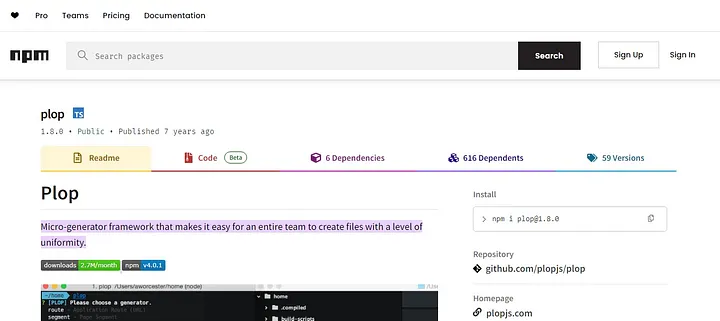
9. Plop
Overview Plop is a micro-generator framework that helps you create files, templates, and boilerplate code. It’s highly configurable and can be integrated into any project. Key Features:
Use Cases:
10. Microsoft Power Automate
Overview Microsoft Power Automate, formerly known as Microsoft Flow, is a service that helps automate workflows and tasks across applications and services. It includes capabilities for code generation and workflow automation. Key Features:
Use Cases:
11. Wappler
Overview: Wappler is a comprehensive low-code platform that allows developers to design, build, and deploy fully functional web and mobile applications without needing to write extensive amounts of code. Key Features:
Use Cases:
Why Choose Code Generation Tools?Code generation platforms have become essential in modern software development due to their ability to automate repetitive tasks, enhance productivity, and maintain code consistency. Here are the key reasons why developers and businesses should consider using code-generation platforms: 1. Increased Development Speed 🚀
2. Improved Code Consistency & Quality 📌
3. Reduced Development Costs 💰
4. Seamless Integration with Existing Workflows 🔄
5. Supports Multiple Development Scenarios 🌍
6. Facilitates Scalability & Future-Proofing 📈
7. Low-Code and No-Code Capabilities 🛠️
8. Error Reduction & Debugging Efficiency 🧐
ConclusionCode generation tools have become indispensable in modern software development, enabling developers to automate repetitive tasks, improve code quality, and accelerate project timelines. By leveraging these tools, development teams can streamline workflows, maintain consistency across projects, and free up valuable time to focus on innovation and core functionality. Whether you're building web applications, microservices, or APIs, code generation platforms like FAB Builder, JHipster, and Swagger Codegen can significantly enhance your productivity and reduce manual efforts. As the software development landscape continues to evolve, the future of code generation looks even brighter, with advancements in AI-driven solutions, low-code/no-code capabilities, and enhanced security features. By choosing the right code generation tools that aligns with your project needs, you can drive efficiency, scalability, and success in your development processes. Ready to take your development process to the next level? Explore the power of code generation with FAB Builder and start accelerating your projects today. Simplify your workflows, boost productivity, and bring your ideas to life faster. Get started now and see how code generation can transform your development process! |

 Overview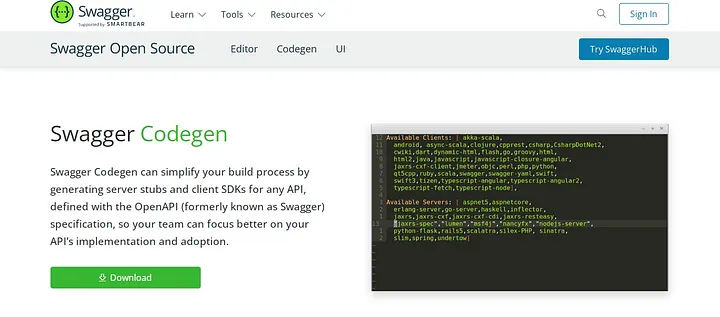



Frequently Asked Questions
What is code generation, and how does it work?
Code generation is the process of automatically generating source code based on predefined templates or models. It helps accelerate development by reducing the amount of manual coding required, ensuring consistency, and allowing developers to focus on more complex tasks.
Why should I use code generation platforms for my projects?
Code generation platforms improve development speed, reduce human error, and enhance productivity. They streamline repetitive coding tasks, create consistent code structure, and ensure faster deployment without compromising on quality.
Which code generation platform should I use?
The best code generation platform depends on your project requirements, the tech stack you're working with, and the features you need. Some popular platforms include FAB Builder for low-code web and app development and platforms like Swagger, Yeoman, and Spring Roo for various other use cases.
Can code generation platforms help with cross-platform development?
Yes, many code generation platforms are designed to support cross-platform development. For instance, platforms like FAB Builder can generate code for both web and mobile applications, ensuring consistency across different platforms and reducing development time.
Is FAB Builder suitable for building enterprise-level applications?
Yes, FAB Builder is ideal for building enterprise-level applications. It accelerates the development of large-scale, complex systems with reusable components and customizable templates. By using FAB Builder, teams can reduce technical debt, improve scalability, and speed up time to market.
Can FAB Builder generate full-stack applications?
Yes, FAB Builder is capable of generating full-stack applications, including both frontend and backend components. This enables developers to quickly build and deploy fully functional web applications, reducing development time and simplifying the entire process.